For a high-quality differential assembly, choosing the right supplier is the difference between a smooth-running fleet and a logistical nightmare. In the B2B world, many factories claim to be “top-tier,” but once the contract is signed, the quality starts to drop. For a procurement manager, a bad partnership doesn’t just waste money; it wastes months of time.
At CK Gears, we believe in total transparency. We know that our success depends on your success, which is why we’ve moved from being just a factory to being a technical back-office for our clients. To help you avoid common “sourcing traps,” we have put together this five-question checklist. Use these questions to audit your potential partners and ensure you are getting the precision your drivetrain deserves.
1.”Do You Own the Machines That Grind the differential assembly?”
This is the most important question for any professional buyer. Many “factories” actually outsource the most critical part of the process—the precision grinding. If they don’t own the machines, they don’t control the quality.
Why it matters: Grinding is what fixes the tiny warps that happen during heat treatment.
The CK Gears Standard: We use Gleason and Klingelnberg systems in-house. Every bevel gear we ship is finished on our own floor to ensure a perfect, silent mesh.
Red Flag: If a supplier says, “We have a partner workshop for grinding,” you are looking at a middleman, not a manufacturer.
2.”What Is Your Specific Traceability Protocol for differential assembly Materials?”
In heavy-duty applications, using the wrong steel is a recipe for disaster. If a gear breaks six months from now, can your supplier tell you exactly which batch of steel it came from?
The Requirement: You need a partner who uses premium alloys like 20CrMnTiH and keeps a “paper trail”.
Our Approach: We track every unit back to its original heat number. We don’t just say our steel is good; we provide the material certificates to prove it.
Red Flag: If they cannot provide a material report for a specific batch, they are likely mixing different grades of steel to save costs.
3.”How Does Your differential assembly Handle High-Speed NVH Standards?”
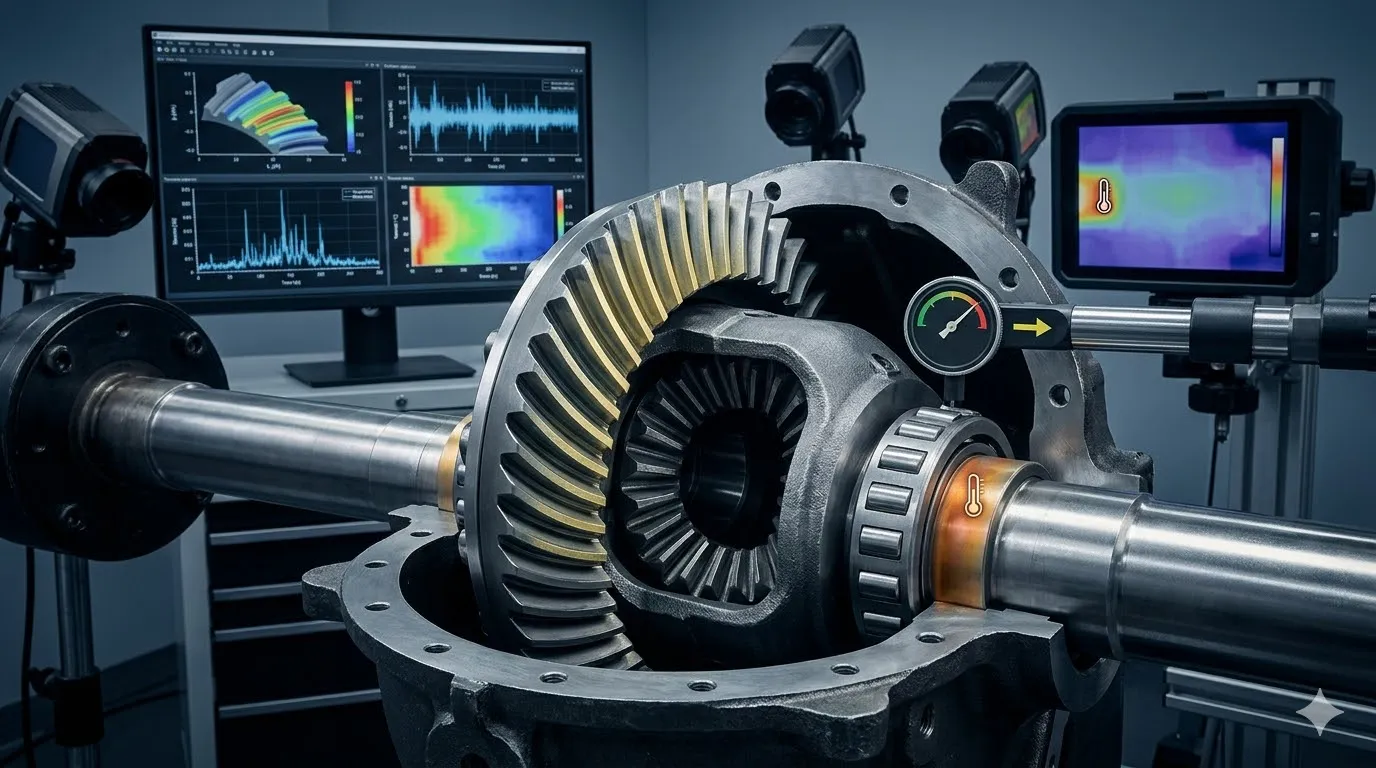
European and Japanese trucks, like Volvo or Scania, have very strict standards for Noise, Vibration, and Harshness (NVH). A gear that “fits” the axle but isn’t balanced will vibrate, creating heat and noise that kills the differential.
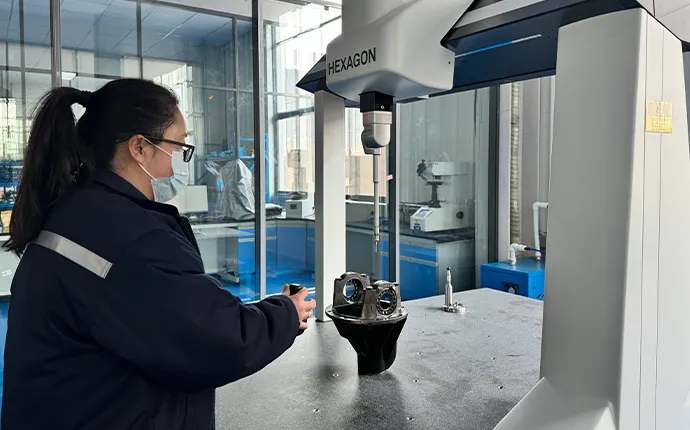
The Checklist Item: Ask to see their CMM (Coordinate Measuring Machine) reports.
The Precision Advantage: Our grinding process ensures that the tooth profile is perfect to within microns. This means a silent ride for the driver and a longer life for the truck.
Red Flag: If they tell you “noise is normal for aftermarket parts,” they are admitting that their manufacturing tolerances are too wide.
4. “Is There an In-House Mold Center for Custom Bevel Gear Ratios?”
The market is changing fast. Whether it is a niche agricultural machine or a specific local truck model, you might need a custom gear ratio that isn’t in a standard catalog.
The Benefit of In-House Design: Having a mold center on-site means faster prototyping and lower costs for you.
The CK Gears Capability: We can develop custom solutions for older vehicle models or unique terrain requirements that the big OEMs often ignore.
Red Flag: If they tell you “no” to custom ratios or quote a 6-month wait time, it means they are outsourcing their molds to a third party.
5. “What Is the ‘Real-World’ Overload Capacity of Your Bevel Gear?”
On paper, every gear has a limit. But in the real world—especially in emerging markets—trucks are often pushed past their official weight limits.
The Toughness Factor: A partner should understand the terrain your clients face. Whether it is the mountains of Vietnam or the heat of Africa, the gear must be “forgiving”.
The Engineering Edge: We over-engineer our gears to favor low-end torque and high impact resistance. We test for “real-world overloads” so your customers don’t get stranded in the mud.
Red Flag: If a supplier only talks about “lab specs” and doesn’t ask about your local road conditions, they don’t understand your business.
Build Your Business on a Foundation of Precision
In the B2B world, your reputation is built on the parts you sell. One bad differential assembly can ruin a relationship with a fleet owner that took you years to build. By asking these five questions, you move from being a simple “buyer” to a “strategic procurement expert.”
At CK Gears, we are ready to answer these questions and more. We don’t just want to be your supplier; we want to be your technical back-office that helps you capture a larger share of your local repair market.