
In the search for a reliable bevel gear, many B2B buyers find themselves trapped in a price war. On paper, two gear sets might look identical. They have the same part number, they fit the same Volvo or Scania axle, and they both look like shiny pieces of engineered steel. However, the way those gears were finished makes the difference between a truck that runs for a million miles and one that breaks down in three months.
If you are sourcing parts for high-speed European trucks, you aren’t just buying metal; you are buying the ability to handle heat and speed. Today, we are pulling back the curtain on the two main manufacturing methods: Milling and Grinding. Understanding this difference will help you protect your fleet, your reputation, and your bottom line.
1.The Basics: What is the Difference?
To understand the value of a high-end bevel gear, we first have to look at how they are made.
Milling (The Traditional Way): This involves using a rotating cutting tool (like a blade) to carve the gear teeth out of a block of steel. Most “budget” gears are made this way. It is fast and cheap, but it has a major weakness: the teeth are cut before the metal is hardened.
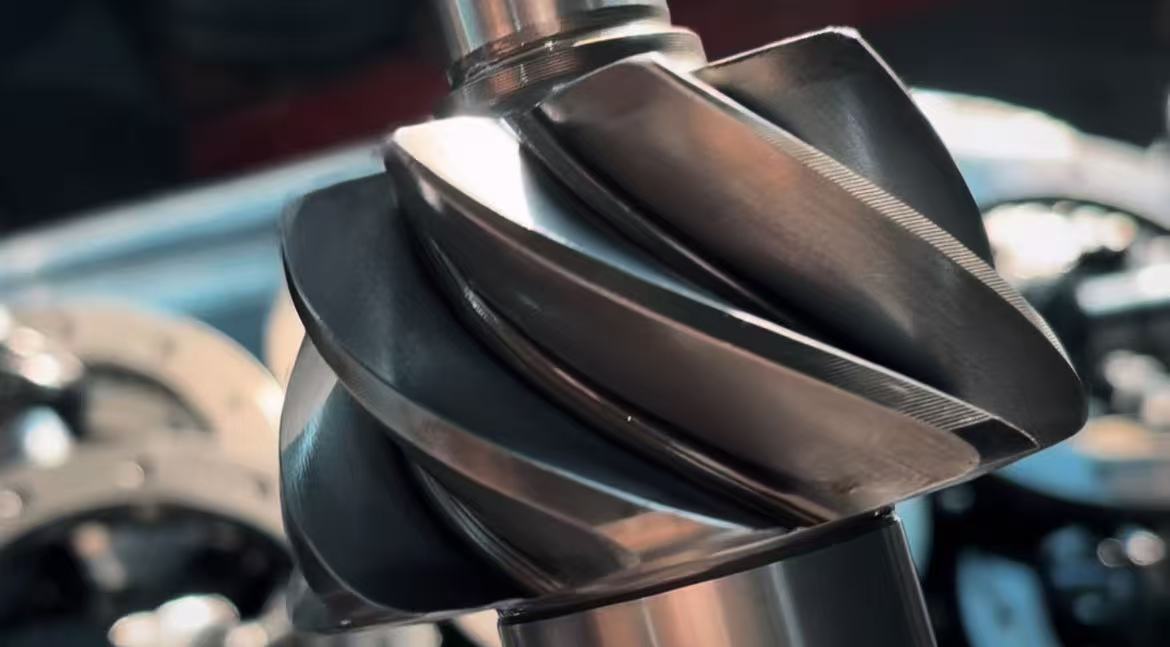
Grinding (The Precision Way): In this process, a specialized abrasive wheel “grinds” the tooth surface to its final shape. At CK Gears, we do this after the metal has been through the heat-treatment furnace.
Think of milling like carving a statue out of wood with a knife. Think of grinding like a jeweler polishing a diamond to a perfect finish. One is about shape; the other is about perfection.
2.The “Heat Treatment” Trap
Every heavy-duty bevel gear must be hardened through a process called carburizing. We heat the steel to over 900°C to make it tough enough to handle 500 horsepower.
Here is the problem: When you heat metal that much and then cool it quickly (quenching), the metal warps. It’s a law of physics. It might only warp by 0.03mm, but in the world of high-speed drivetrains, 0.03mm is a massive error.
Milled Gears are already “finished” before they go into the furnace. When they come out warped, they stay warped. When you install them, they don’t mesh perfectly.
Ground Gears (like the ones we produce) are finished after they come out of the furnace. Our Gleason and Klingelnberg grinding machines “shave off” the heat-treatment distortions. We fix the warp, ensuring the tooth geometry is exactly what the OEM engineers intended.
3.Why High-Speed European Trucks Demand Grinding
If you are operating a Scania, Volvo, or MAN truck on a European motorway, you are likely cruising at 80-90 km/h for 10 hours a day. At these speeds, your bevel gear set is spinning thousands of times per minute.
The Impact of Mesh Precision:
If the gear teeth aren’t perfectly smooth (which milled gears never are), they create vibration. Vibration leads to two things:
Heat: Friction from uneven teeth causes the differential oil to break down faster.
Noise: That annoying “whine” you hear from the rear axle? That is the sound of imperfect gear teeth rubbing together.
In the European market, noise and vibration are early warning signs of failure. By choosing a ground bevel gear, you ensure a silent, cool-running axle that can handle the high-speed demands of modern logistics.
4.Comparing the Life Cycle: ROI for the B2B Buyer
As a procurement manager, your goal is to reduce the “Total Cost of Ownership.” A milled gear might be 20% cheaper today, but it is much more expensive in the long run.
When you sell a ground gear to your customers, you are selling them a “Fit and Forget” solution. You reduce the number of warranty claims and build a brand known for quality, not just cheap prices.
5.The “Silent” Revolution: Grinding and Electric Vehicles (EV)
The industry is moving toward Electric Vehicles. In an EV truck, there is no loud diesel engine to drown out the sound of the drivetrain. If the bevel gear isn’t ground to a perfect finish, the noise inside the cabin becomes unbearable.
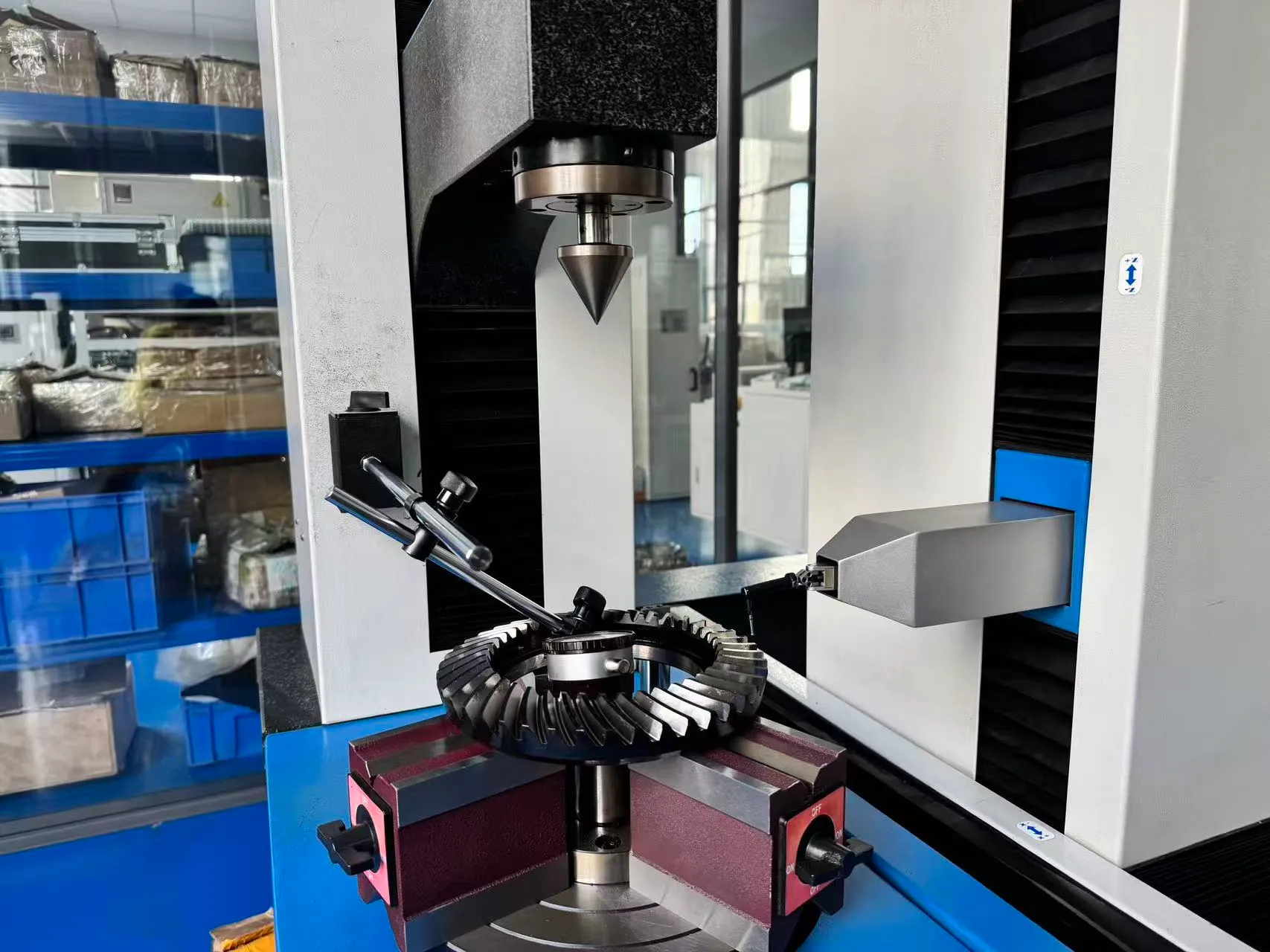
By investing in grinding technology now, CK Gears is helping our partners stay ahead of the curve. We use high-precision CMM testing to verify that every gear we grind meets the strict NVH (Noise, Vibration, Harshness) standards required by the next generation of transport.
6. Why CK Gears is Your Strategic Partner
We don’t just “make” gears; we engineer reliability. By specializing in the grinding process, we have moved away from the low-end “commodity” market. When you choose our bevel gear sets, you are getting:
Aero-Grade Steel: We start with high-quality 20CrMnTiH alloy steel.
In-House Control: We manage the forging, the heat treatment, and the grinding all under one roof.
Technical Authority: We can provide the CMM reports that prove our precision.
Don’t Let a Cheap Gear Stall Your Business
In the B2B world, reputation is everything. If you provide your clients with milled gears that fail under the pressure of high-speed hauling, you lose their trust forever.
Choosing a ground bevel gear from CK Gears is an investment in your brand’s future. It is the difference between a “repair” and a “solution.” Our precision grinding ensures that every tooth, every angle, and every micron is optimized for the most grueling conditions on the road.